The first 72 hours after fertilisation
Fertilisation is only the beginning. For the first three days the embryo lives on what the egg stored for it, and that is where many stop. What exactly happens in those hours.
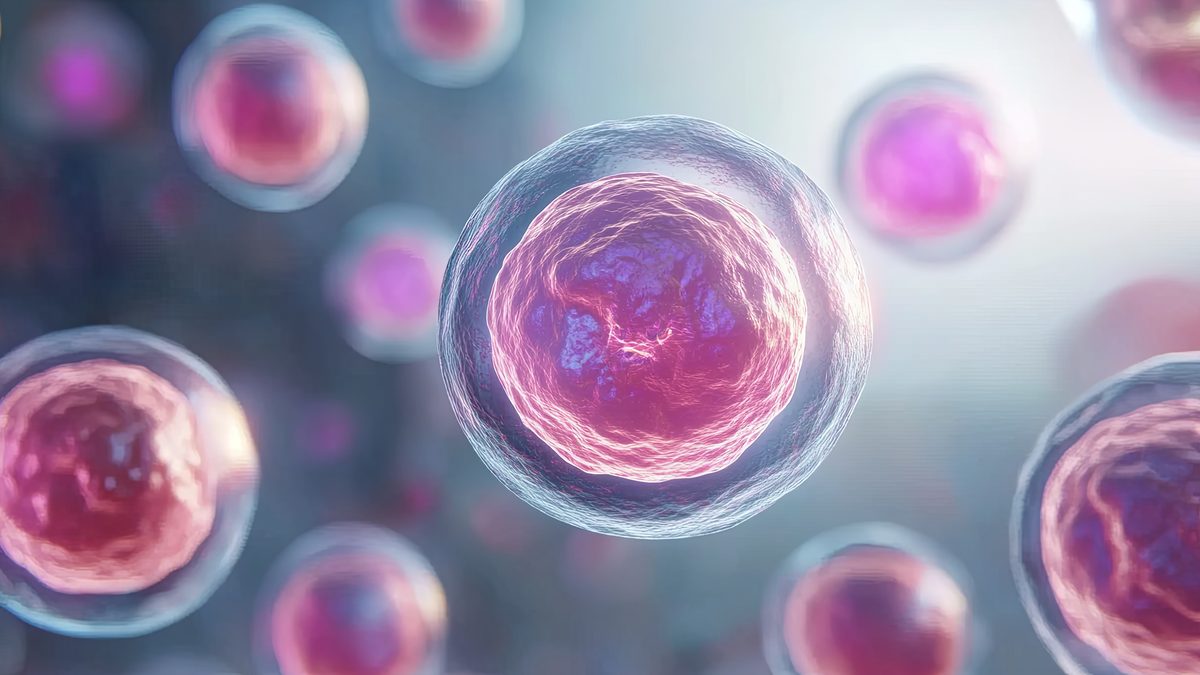
In an IVF cycle almost everything is counted: how many eggs were retrieved, how many fertilised, how many embryos are still growing. It is the easiest way to follow the process, and also the one that prepares you worst for what usually comes next.
Because between fertilisation and day 3 there is a stage you cannot see, and much of the outcome is decided there. Everything seems to be going well — fertilisation happened, the first day’s numbers hold up — and a few days later there are fewer embryos than there were. That drop has an explanation, and it is not in the hormones.
What happens in those 72 hours
The first three days are the cleavage stage. The timetable is fairly regular:
- Day 1. Fertilisation is confirmed: the two pronuclei appear and the zygote is established.
- Day 2. The embryo divides into two cells, then four.
- Day 3. It usually reaches six to eight cells.
Put that way it looks like simple multiplication. It is not. Each division has to happen on time, split the material symmetrically and keep the chromosome complement intact. A failure in any of those three compromises everything that follows.
The embryo is not yet in charge
This is the point that is rarely explained in consultation, and it is the one that organises everything else.
Through those first days the embryo is not using its own genome. It lives on a store the egg assembled during its maturation: maternal messenger RNA, proteins, enzymes, mitochondria and the architecture of the cytoplasm. That store is consumed and cleared in an orderly way as the embryo advances.1
For three days, the embryo does not feed on itself.
It spends what the egg stored months before retrieval.
That is why egg quality weighs so heavily right here. If the store was short, the embryo divides slowly, divides unevenly or stops, and nothing the laboratory does afterwards can replace what was not set aside in time.
The handover on day 3
Towards the end of those 72 hours comes the most delicate transition in early development: embryonic genome activation. The embryo stops depending on maternal material and begins transcribing its own DNA, a handover that in humans concentrates around the eight-cell stage.1
For that handover to go well, four things are needed at once: intact DNA, working repair mechanisms, sufficient energy and coordinated cellular signalling. Systematic reviews of embryonic arrest point to precisely this moment as one of the stages where most embryos stop.2
Energy, again
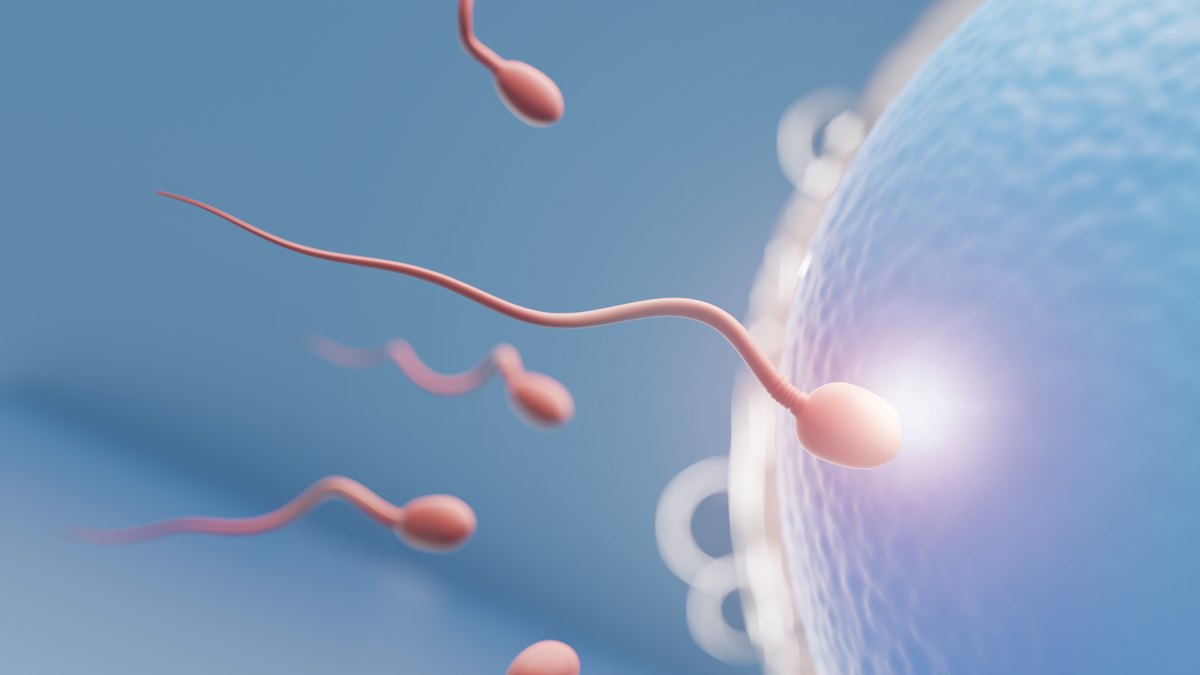
Dividing quickly, holding internal organisation, repairing DNA and regulating internal processes all cost ATP, and the ATP comes from the mitochondria that were inside the egg. When their output is compromised, the clinical pattern is recognisable: slow development, irregular divisions or complete arrest.3
Oxidative stress accumulated in the oocyte acts on the same route, damaging cellular components and subtracting repair capacity exactly when it is most needed.4
Why fertilising is not enough
An embryo can fertilise correctly and still lack what it takes to sustain division, activate its genome or reach blastocyst. These are different capacities, and the first does not guarantee the rest.
The documented causes of embryonic arrest spread across several fronts — insufficient cellular energy, cytoplasmic quality, oxidative stress and genetic instability — and they frequently appear combined in the same cycle.5
It is worth saying the opposite of what is usually feared, too: some embryos stopping is, in part, a normal biological filter. Not all those that fertilise were in a condition to continue, and the same happens in spontaneous conception — only there, nobody watches it.
What hormone testing does not cover
The hormone panel assesses ovarian function and predicts reasonably well how a patient will respond to stimulation. It does not measure mitochondrial output, the oocyte’s energy reserves, DNA repair capacity or the state of the cytoplasm.
That is why a patient with normal hormones can meet embryo development that does not follow through: what failed was not what was measured.
Where IVF MORE® comes in
IVF MORE® (Magnetic Ovulatory Restoration) acts before this clock starts. It measures the metabolic state of each egg and works on the cytoplasm to improve the energy base the embryo will face its first divisions with; once fertilised, culture in magnetic fields supports the organisation of the cytoskeleton through that division.
It does not guarantee that an embryo will survive, it does not remove genetic instability and it does not reverse every factor associated with age. What it does is work on the starting conditions, which is the only moment when that store can still be improved.
If your embryos fertilise and then stall
It is one of the hardest outcomes to absorb, because it arrives after good news. And it tends to be read as bad luck when it actually points at something specific: the cellular base that embryo started from.
Looking there does not change the past of one cycle, but it changes the question you plan the next one with.
How the treatment works, step by step · What happens to an egg with age
Scientific sources5
- (2020). Dynamics and clinical relevance of maternal mRNA clearance during the oocyte-to-embryo transition in humans. Nature Communications.
- (2021). Molecular Drivers of Developmental Arrest in the Human Preimplantation Embryo: A Systematic Review and Critical Analysis Leading to Mapping Future Research. International Journal of Molecular Sciences.
- (2024). Mitochondria as therapeutic targets in assisted reproduction. Human Reproduction.
- (2021). Oxidative stress in oocyte aging and female reproduction. Journal of Cellular Physiology.
- (2023). Embryonic arrest: causes and implications. Current Opinion in Obstetrics & Gynecology.
Next steps
Take the first step toward your baby with IVF MORE®
Our team is ready to support you every step of the way.